


Everything You Need To Know About Brake Pads
Brakes & Safety27 August 2026
Learn how brake pads work, when to replace them, common warning signs, costs, maintenance tips, and how to keep your braking system safe and reliable.
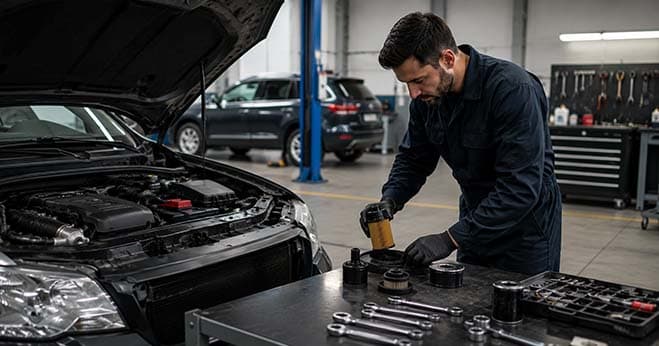
The braking system on your automobile is probably the most important component in your safety system, and right at the center of the braking system is the brake pad. Working as it does to transform kinetic energy into thermal energy, the brake pad allows you to slow down and come to a complete stop under all traffic conditions. Since they must work in conditions of extreme heat and pressure, brake pads are wear parts that should be checked regularly.
Learning how your brakes work and what constitutes a sign of wear and tear is important to being a safe and effective driver. Ignoring a minor issue, such as high pitch brakes or changes in brake pedal feel, can reduce braking performance, increase the risk of accidents, and lead to expensive repairs, including damage to the brake rotors. At Patel Auto Service, we securely believe that taking steps to guarantee your safety and protect your vehicle is an intelligent practice. This guide will walk you through everything you need to know about your brake pads.
Table of Contents
- What Are Brake Pads?
- Why Brake Pads Are Essential for Vehicle Safety
- How Long Do Brake Pads Last?
- Signs Your Brake Pads Need Replacement
- Can You Drive with Damaged Brake Pads?
- Tips to Make Brake Pads Last Longer
- Why Choose Patel Auto Service for Brake Pad Replacement?
- Frequently Asked Questions
What Are Brake Pads?
These are important components of the braking system on any car because they generate friction that enables the car to slow down and stop. These components work in combination with brake rotors through exerting pressure on them when one steps on the brake pedal.
The following parts are necessary for the functioning of the braking system:
- Brake pedal: The part pressed by the driver to apply the braking system.
- Brake fluid and hydraulic system: The system provides the transmission of pressure from the brake pedal to the braking system.
- Brake calipers: The parts squeezing the brake pads onto the rotors.
- Brake pads: Providing friction needed for slowing down.
- Brake rotors: Rotating discs cooperating with the brake pads.
Brake pads become damaged naturally with time due to their function because they are made to absorb the friction when braking. As a result of constant braking, the friction part of the brake pads becomes thin over time.
Why Brake Pads Are Essential for Vehicle Safety
Brake pads are a very important component when it comes to protecting the safety of your car. Just a slight decrease in the efficiency of braking will lead to an increase in the time it takes for the car to stop, which will make driving a very dangerous activity.
Well functioning brake pads guarantee:
- Quick and stable braking
- Safe handling of the car while braking
- Prevention of wear on the rotors
- Safety in emergency situations
- Efficient operation in different kinds of weather conditions
Damaged brake pads may have difficulty generating sufficient friction between themselves and the rotors.
Healthy Brake Pads vs Damaged Brake Pads
Comparing healthy and damaged brake pads:
- Braking Performance — Healthy: strong braking performance. Damaged: longer stopping distance.
- Operation — Healthy: quiet braking operation. Damaged: high pitched noise or grinding noises.
- Rotor Protection — Healthy: better rotor protection. Damaged: increased rotor damage risk.
- Control — Healthy: smooth brake response. Damaged: reduced braking control.
- Safety — Healthy: improved driving safety. Damaged: higher accident risk.
Regular brake inspections help identify damaged components before they affect your safety or lead to expensive repairs.
How Long Do Brake Pads Last?
Lifespan of brake pads depends on various factors such as type of driving, vehicle weight, type of roads, and brake pads materials used. Brake pads usually can last from 30,000 km to 70,000 km but may need replacing earlier or later due to their use.
Factors that influence the life span of the brake pads are:
- City Driving: Braking and speeding up in traffic will cause brake pads to be damaged due to higher amounts of braking.
- Highway Driving: In most cases, highway driving means fewer braking events hence brake pads will last longer.
- Driving Style: Hard braking, sudden stops, and high speed of driving will cause brake pads to damage quickly.
- Vehicle Weight: Heavier vehicles exert more pressure on braking parts hence shorter life span of brake pads.
- Towing and Heavy Loads: Towing or heavy load will require more brake power and therefore increased wear.
- Material of Brake Pads: Various materials have different wearing rates, ceramic and semi metallic brake pads last longer than organic ones.
The best way to check for brake replacement is regular brake inspections.
Signs Your Brake Pads Need Replacement
Identifying these warning signs will guarantee you do not run into problems with brake failure and repair costs. Some of the warning signs for which brake pads must be inspected include the following:
- High Pitched Squealing: A high pitched noise is normally an indication that your brake pads are damaged.
- Grating Noise: A grating noise usually means the brake pads are damaged, allowing the metal backing to come into contact with the brake rotor.
- Brake Indicator Light: A light on some of the vehicles’ dashboards that alerts one that there is a problem with their brakes.
- Vibrations While Stopping: Vibrations when braking are often a sign of damaged brake pads or problems with other braking components.
- Low Braking Power: In case your car takes longer than normal to stop, your brakes may need replacement.
Can You Drive with Damaged Brake Pads?
It is dangerous to drive when the brake pads of the car have become damaged since it could result in mechanical difficulties for the car.
These dangers may include:
- Increased stopping distance of the car
- Lack of control while braking
- Wear of the brake rotors
- High costs of repairing the car
- Breakdown of the brake system
- Greater danger in case of emergencies
If the brake pads are damaged, the back metal of the brake pad could rub against the rotor of the car. This would cause great damage and be very costly.
Tips to Make Brake Pads Last Longer
Following good driving and maintenance practices can help extend your brake pad lifespan while significantly improving overall vehicle safety.
- 1. Avoid Harsh Braking — Gradual braking reduces unnecessary heat and friction.
- 2. Maintain Safe Distance — Keeping distance from other vehicles reduces the need for sudden stops.
- 3. Reduce Vehicle Weight — Removing unnecessary heavy items reduces pressure on the braking system.
- 4. Inspect Brakes Regularly — Routine checks help identify wear early and prevent costly repairs.
- 5. Use Quality Brake Pads — High quality pads offer better performance, durability, and safety.
- 6. Replace Pads Early — Changing pads before they wear down prevents expensive rotor damage.
- 7. Service on Schedule — Regular vehicle servicing maintains all components and improves reliability.
Why Choose Patel Auto Service for Brake Pad Replacement?
Working with a seasoned auto repair shop is important in order to make sure that your car will be subjected to detailed inspections, the use of quality parts, and skilled mechanics. At Patel Auto Service, we excel at offering complete brake solutions that include replacement of both front and rear brake pads, brake inspection, and general automotive repairs. We are committed to performing accurate diagnostics and offering custom made brake repair options tailored to your car's unique needs in order to give you full satisfaction after using our services.
We are proud of our professional service, integrity, and dedication to giving you quality service and helping you keep your car in top condition. If you have any brake related problems ranging from squeaking brakes to a complete brake system restoration, we are here to offer you the necessary assistance. We invite you to check out our services in detail and learn more about the variety of our General Automotive Services.
Frequently Asked Questions
- How do I know if my brake pads need replacing?
- Common signs include high pitched noises, grinding sounds, vibrations, reduced braking performance, and brake warning lights. A professional inspection can confirm whether replacement is required.
- Can I replace only the front brake pads?
- Yes, if only the front pads are damaged. However, a professional inspection should determine whether the rear brake pads or rotors also require attention.
- What happens if I don't replace damaged brake pads?
- Damaged brake pads can reduce stopping power, damage brake rotors, increase repair costs, and compromise vehicle safety.
- How long does brake pad replacement take?
- A standard brake pad replacement usually takes around 1 to 2 hours, depending on the vehicle and whether additional brake components require servicing.
- Should brake rotors be replaced with brake pads?
- Not always. Brake rotors are inspected during brake servicing and are replaced only if they are damaged, excessively damaged, or unsuitable for continued use.